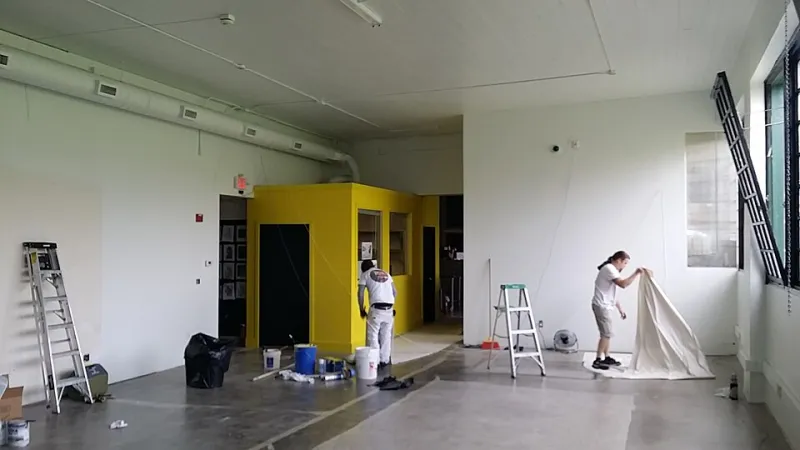
What to Do With Half-Used Paint Cans in Dubai (Without Ticking Off Your Building)
Here is a habit many US homeowners bring to Dubai without thinking: when a repaint is done, you pop the lid off the half-used can of latex paint, leave it in the garage or sun for a few days, and toss the dried puck in the household trash. Back home, that is often considered acceptable for small amounts of water-based paint. In Dubai, the same move can create a messy problem with your building, your waste collection, and the people who handle the bins.
The issue is not that every drop of paint is hazardous waste. It is that paint is a liquid product with chemicals in it, and Dubai handles renovation waste and chemical waste differently from the average US curb. Building management may also have its own rules about what goes in the chute room or the communal bin. So before you channel your inner American garage cleaner, slow down.
Why the trash-can shortcut does not travel well
In the US, many municipalities tell residents to dry out small amounts of latex paint and put the can in the regular trash. That advice is local. It depends on the waste system, the landfill, and the amount of paint. Dubai is not a one-size-fits-all curb. Paint can leak in a chute, contaminate recyclables, or annoy neighbors in a shared bin room. Oil-based paints, solvents, thinners, and aerosol cans are a different category entirely and should never be poured down a drain or dropped in household waste.
Even water-based paint deserves respect. It can contain biocides and other ingredients that you do not want in a regular waste stream. The safe rule is simple: do not pour paint down drains, do not dump it in the garden, and do not assume the building bin is fine. Check with your building management and Dubai Municipality before you dispose of anything more than a truly empty, dry can.
Decide first: keep, share, or release
Before you think about disposal, ask whether you need the paint at all. If you have just repainted a room, keep a small amount for touch-ups. Dubai sun, moving furniture, and normal scuffs will create touch-up work. A labeled can of the same product and sheen is worth more than a perfectly empty storage shelf.
If you do not need it, consider sharing it. A neighbor, a friend, or your building's maintenance team may be able to use a full or nearly full can, but only if the label is intact and the product is still usable. Do not hand over mystery cans with no label. Do not donate paint that has been frozen, overheated, or mixed with something else.
If a contractor supplied the paint, ask who owns the leftovers. Some crews leave a touch-up can as part of the job. Some take all leftover materials away. Put that in the contract before work starts so nobody is guessing at the end.
Store the cans like they are still useful
If you are keeping paint, store it properly. Keep the lid tightly sealed. Wipe the rim clean before closing so the lid does not glue itself shut. Label the can with the room, the product name, the sheen, and the date. Store it in a cool, dry place out of direct sun. A Dubai balcony or a car trunk is not a storage unit. Heat can ruin the paint and make the can pressure up.
Keep paint out of reach of children and pets, and away from food. For solvent-based products, keep them away from flames and sparks. If the original can is rusting or leaking, place it inside a larger plastic container before you move it. Do not stack heavy cans on top of a weak lid.
What contractors usually handle, and what they do not
Many painting crews will remove leftover paint and job waste as part of cleanup, but not always. It depends on the contract, the building, and whether the contractor supplied the paint. A good contract has a line for waste removal. If it does not, ask for one before you sign.
What contractors should not do is toss liquid paint in the building's general bin or pour it into a drain. If a crew offers to 'take care of it' without explaining where it goes, ask a follow-up question. A reputable contractor should be able to say whether they use an approved waste collector or a municipal facility.
Legal disposal in Dubai without guesswork
Start with your building management. They know the collection rules for your community, the location of any designated waste area, and whether a private collector handles renovation debris. Then check Dubai Municipality guidance for paint and chemical waste. Rules can change, and building-specific policies vary, so confirm rather than assume.
For liquid paint, solvents, thinners, and aerosol cans, use an approved disposal route. That may mean a licensed waste contractor or a municipal facility that accepts household hazardous waste. Do not put liquids in a regular trash bag. Do not leave cans beside the bin for someone else to deal with. And do not dry out a can just because that was the advice where you used to live.
If you are hiring a contractor, ask them to show you the disposal plan in writing. If you are doing the work yourself, keep the receipts or collection records. They are useful if building management asks questions later.
Buy less next time
The best disposal plan is to not have much left over. Measure the walls, subtract doors and windows, and use the manufacturer's coverage estimate. Remember that two coats need roughly twice the paint of one coat, and primer is a separate product. Ask your painter to estimate quantities in liters or gallons before you buy. For a small accent wall, buy a small can, not a full drum because it was on sale.
A little extra for touch-ups is smart. A garage full of half-used cans is not. If you are supplying the paint, buy the main color in one batch when possible so the color stays consistent, and keep one small labeled can for later. If the contractor is supplying the paint, ask them to leave a touch-up amount and remove the rest.
A simple handover checklist
- Put waste removal and leftover paint in the contract.
- Keep one labeled touch-up can, not five.
- Ask building management where renovation waste goes.
- Use an approved route for liquid paint and solvents.
- Never pour paint down a drain or into a chute.
- Share only labeled, usable paint.
A repaint should leave you with fresh walls, not a hazardous-waste puzzle in the parking garage. A few minutes of planning at the buying stage and a clear conversation at handover will keep your leftover paint from becoming someone else's problem.